From Your first step ✈ To A focused skill
Short courses
Modular units you can take on their own, each of at least 20 hours.
ClassSCModulesOne at a time

Cabin Crew Department
Training for aspiring flight attendants in service, safety and the poise the cabin asks of you.
ProgrammesShort courses · 45 days · 600 hours · 900 hours
Each batchUp to 25 trainees
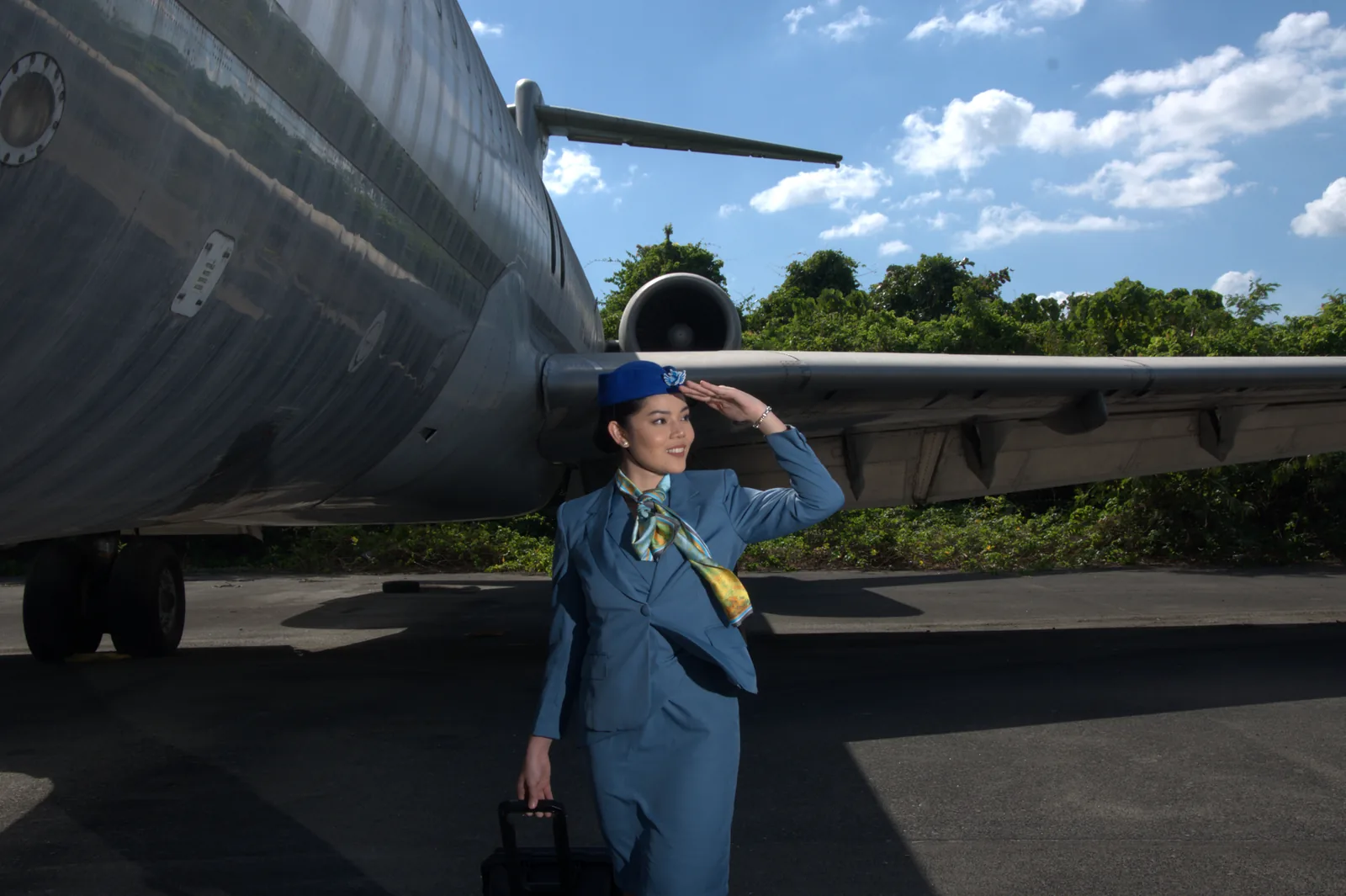
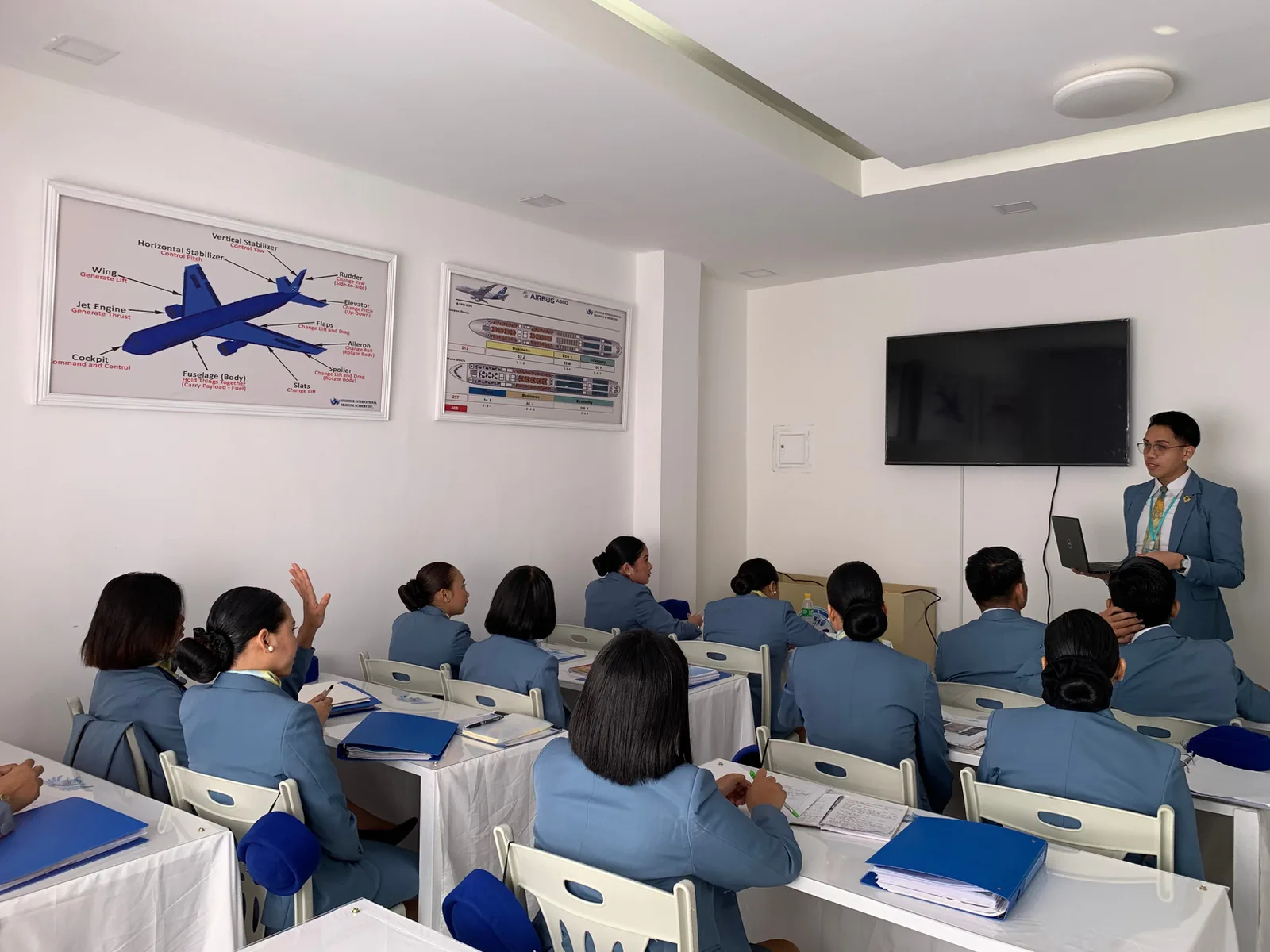
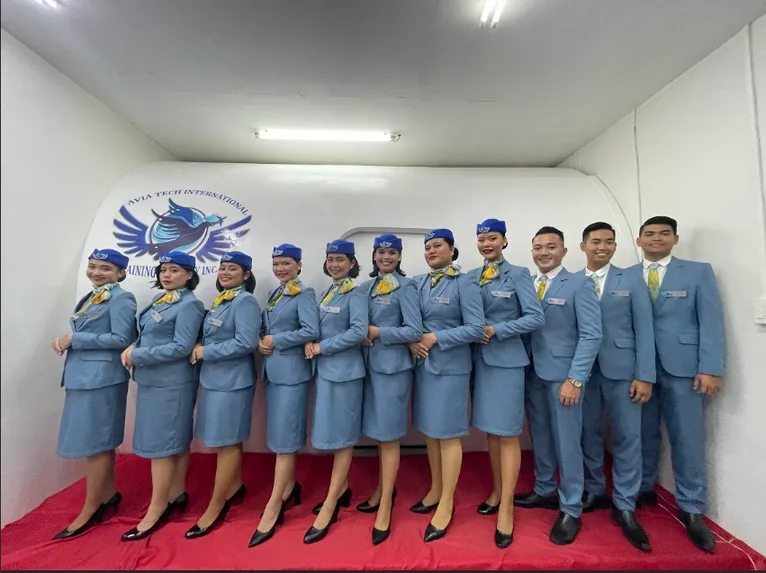
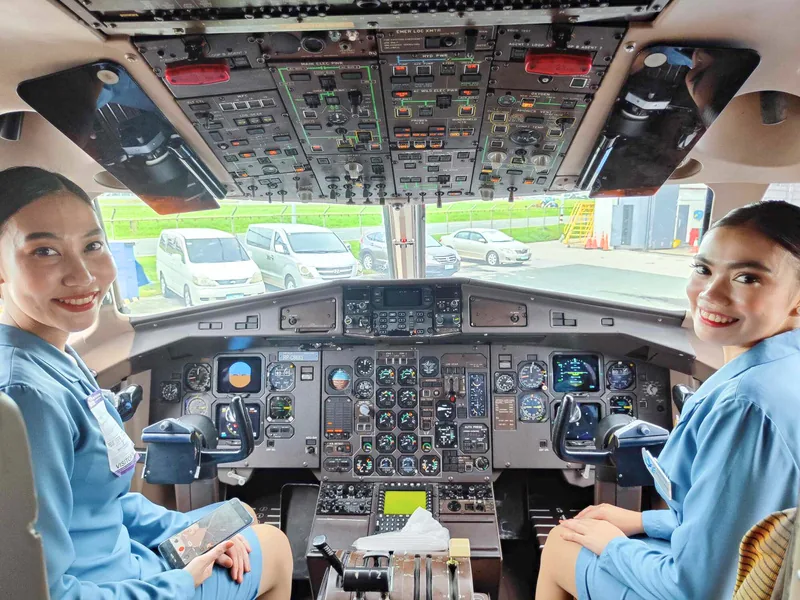
Where you trainClassrooms, a cabin mock-up and real aircraft
Where it began
Our Accountable Manager, Ms Marla P. Martinez, is a former cabin crew member herself. She first wrote a cabin crew training programme in 2004, at WINGS Career Center in Makati, approved by TESDA.
Years later it became the programme closest to her heart at Avia Tech, and today it has a department of its own.
Marla P. Martinez Accountable Manager
Read Marla’s message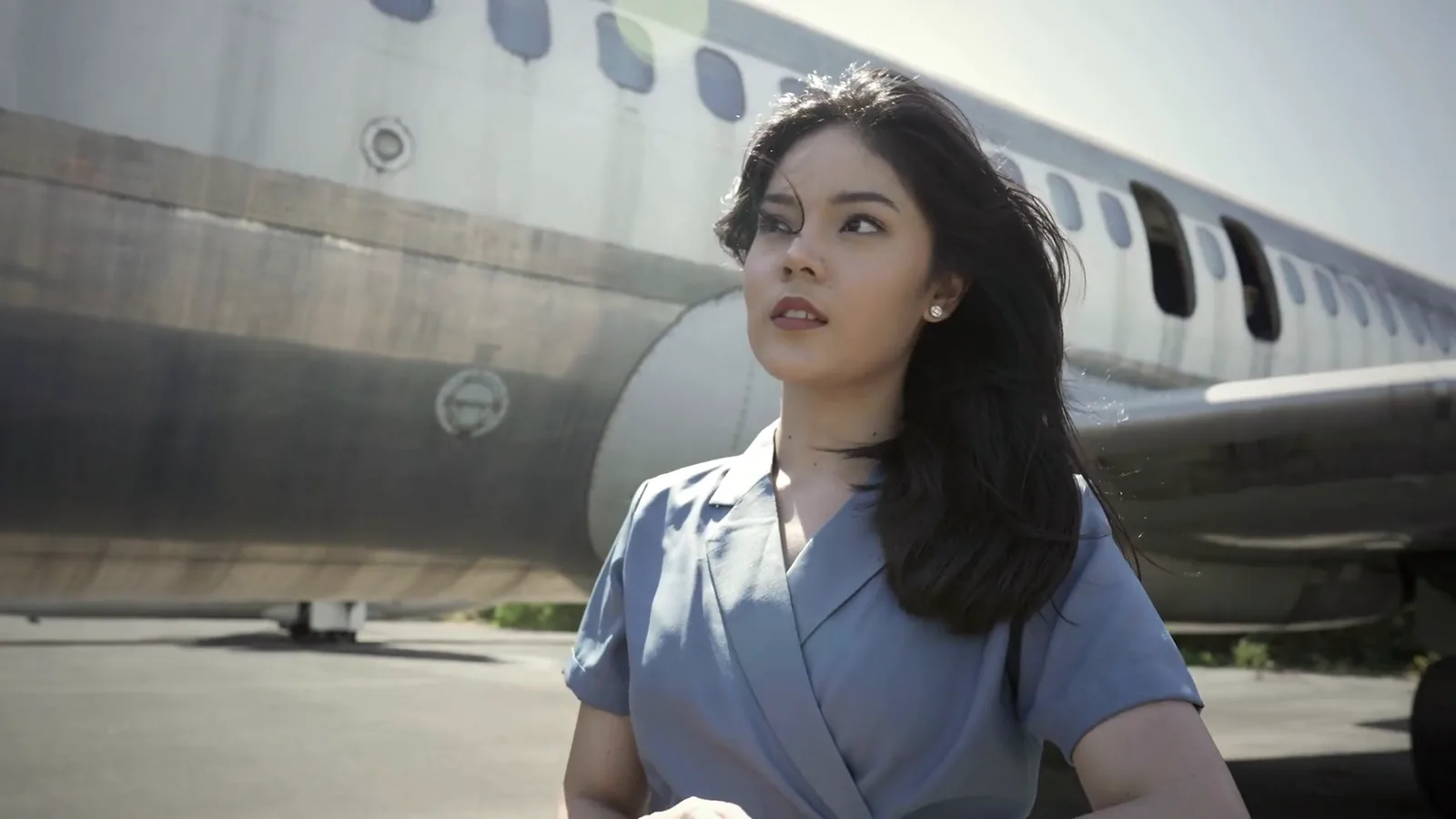
The film
The film loads only when you choose to watch it, with sound.
Choose your programme
Every programme is built from the same modules. The longer you train, the more of the cabin you master.
From Your first step ✈ To A focused skill
Modular units you can take on their own, each of at least 20 hours.
From Aspiring crew ✈ To Cabin ready
Five modules, each of at least 20 hours: the industry, cabin procedures, hospitality, flying health and safety.
From Aspiring crew ✈ To Interview ready
Modules 1 to 8, adding qualifying procedures, crew resource management and communication.
From Aspiring crew ✈ To The full syllabus
The most complete route: Modules 1 to 9.
The syllabus
Each row is a module. A filled seat shows the programme that includes it. Open a row to see what you learn.
Short courses draw single modules from the same map. The 900-hour programme adds a ninth module: ask the department for its outline.
Aviation history, the first flight attendant, the three types of cabin crew, the competitive airline industry, the role of cabin crew in tourism, airline and airport codes.
In-flight service, airline language, crew hierarchy, types of passenger; cabin crew image, poise and posture, warmth and smile, power dressing; rosters, life in hotels, packing, fine dining and wine pairing; airport formalities, customs, immigration and quarantine, airport and hotel immersion.
Airline food and galley equipment, service equipment, the pre-flight sequence, lavatory upkeep and cockpit service.
Flying health, the air you breathe, and basic life support and first aid training with the Red Cross in Pasay.
Airbus and Boeing door procedures, emergency equipment and procedures, land and water evacuation, desert, snow and terrain survival, aviation security, dangerous goods, jungle and swimming survival.
Résumé writing, types of interview, online applications and a final oral interview.
Situational awareness, assertiveness, decision-making, communication, leadership, adaptability and professional knowledge.
Aviation English, communication skills and customer service excellence through tour guiding.
Inside and outside the classroom
Scroll the drills sideways.
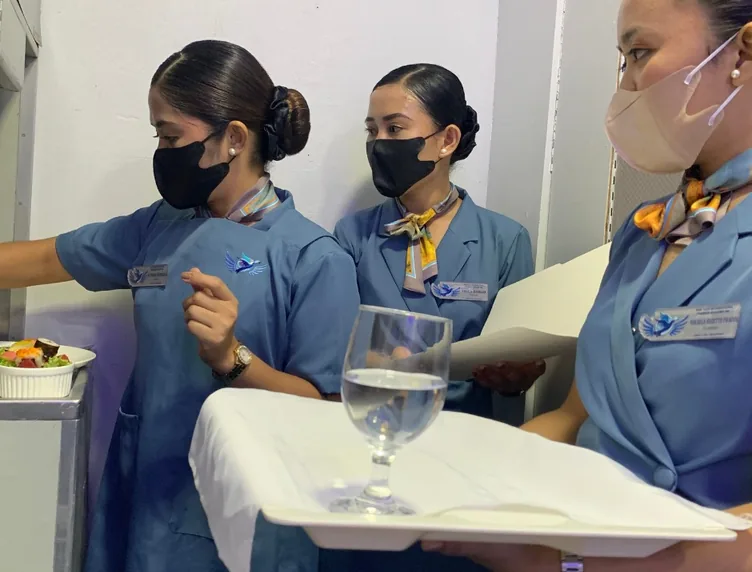
Meal serviceFrom galley to aisle
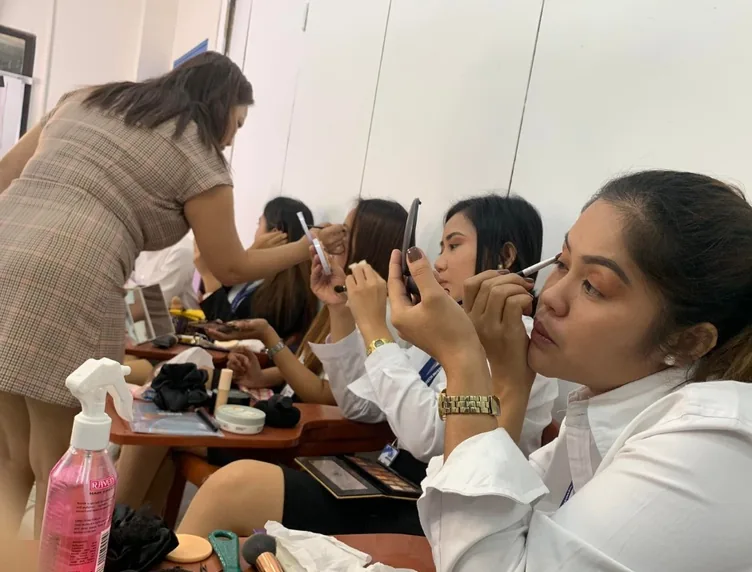
Make-up and groomingThe cabin crew image
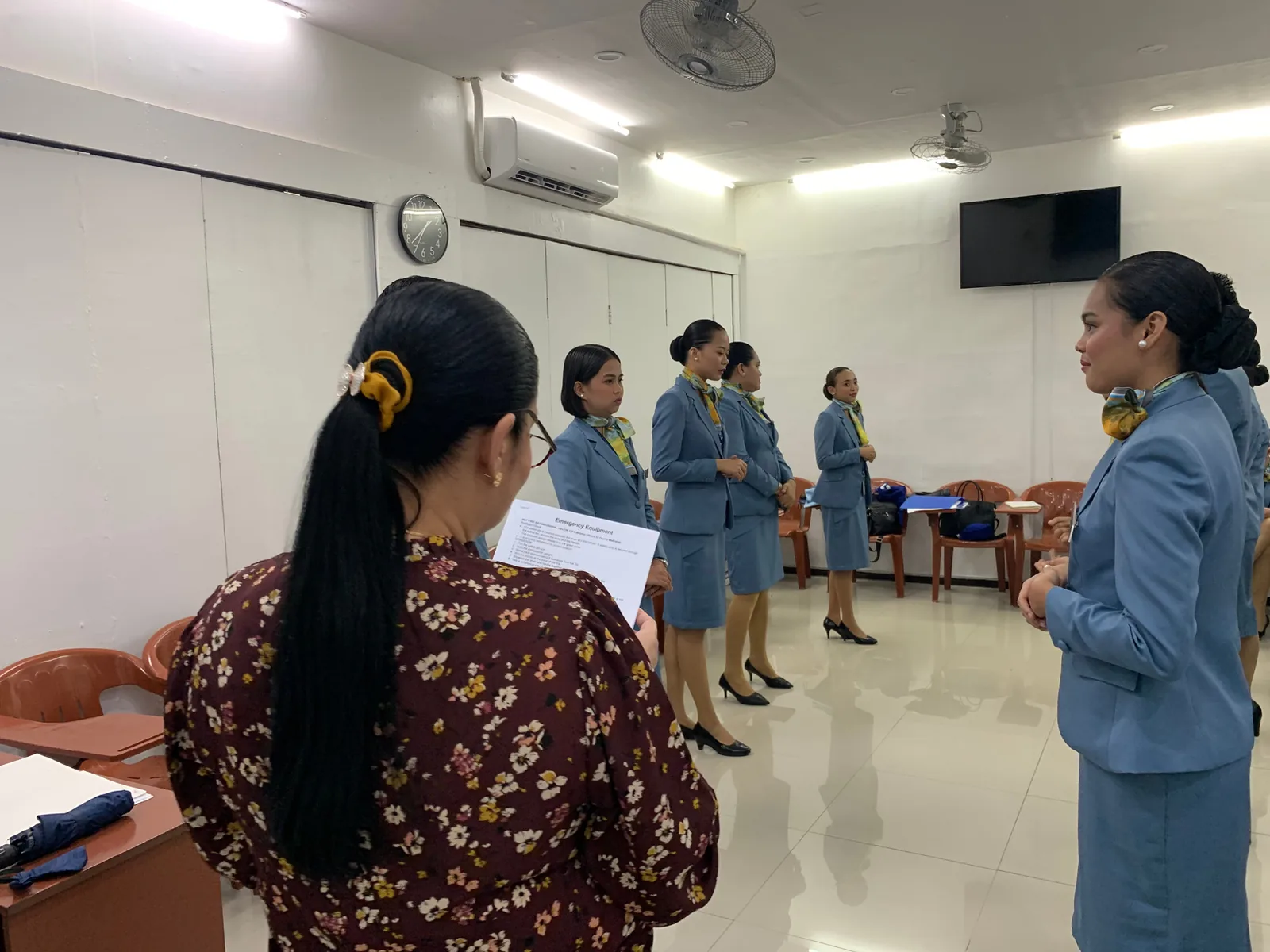
Poise and postureHow you carry the role
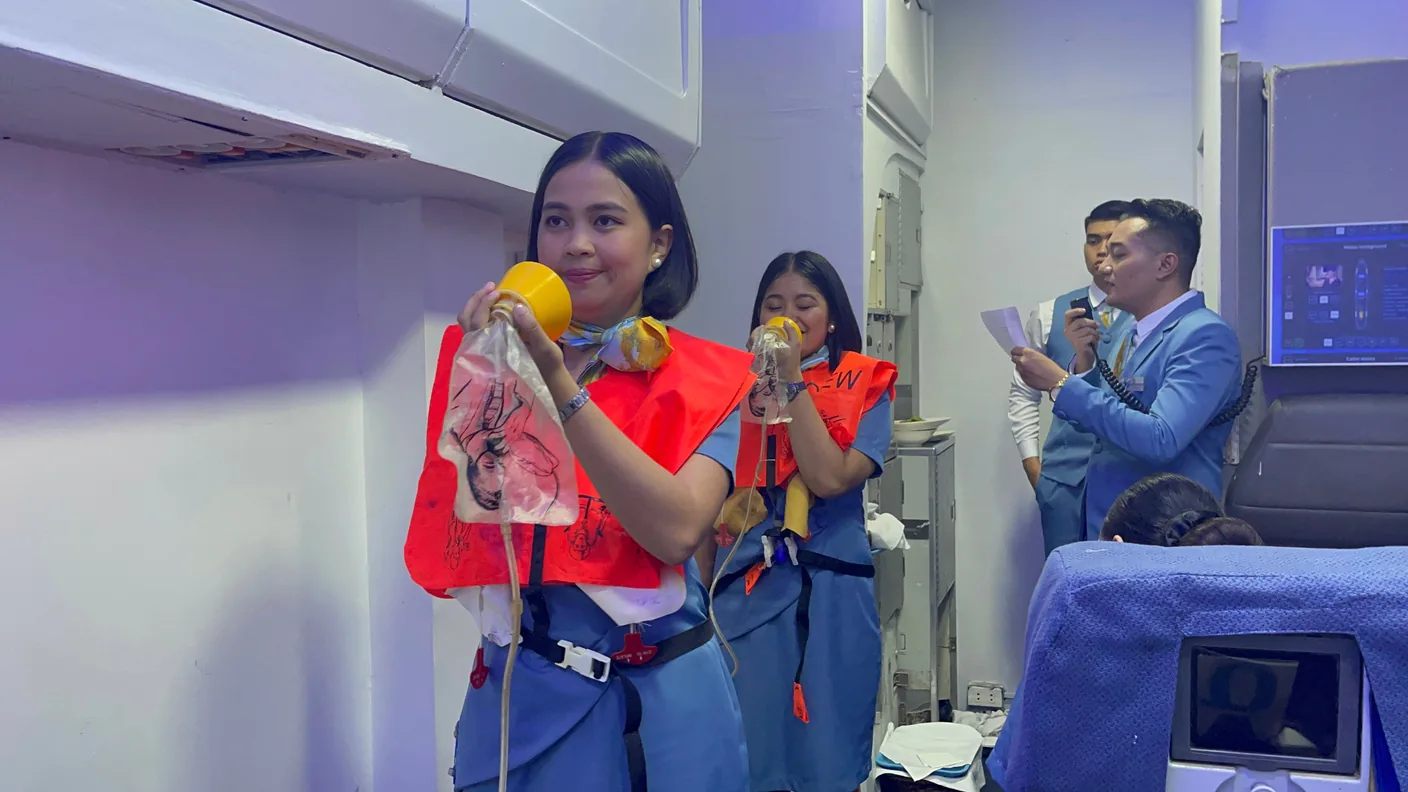
In-flight demonstrationThe safety briefing
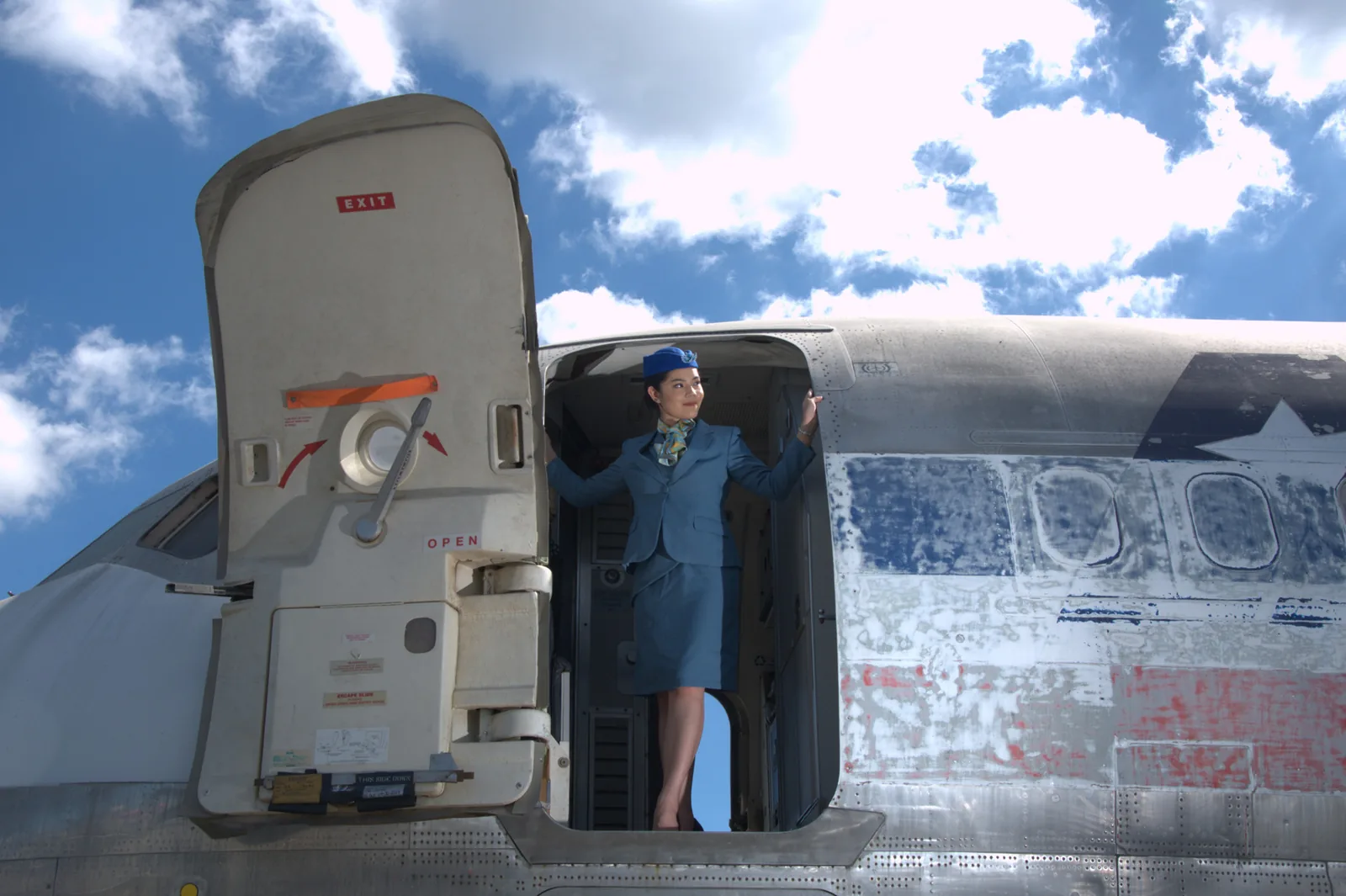
Door operationOn a real airframe
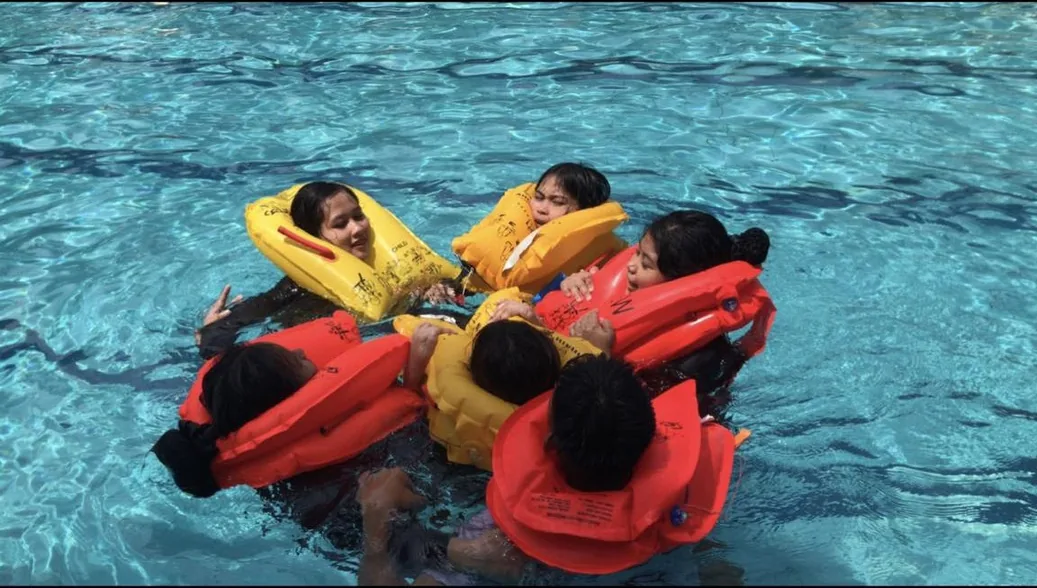
Sea survivalWater evacuation and swimming
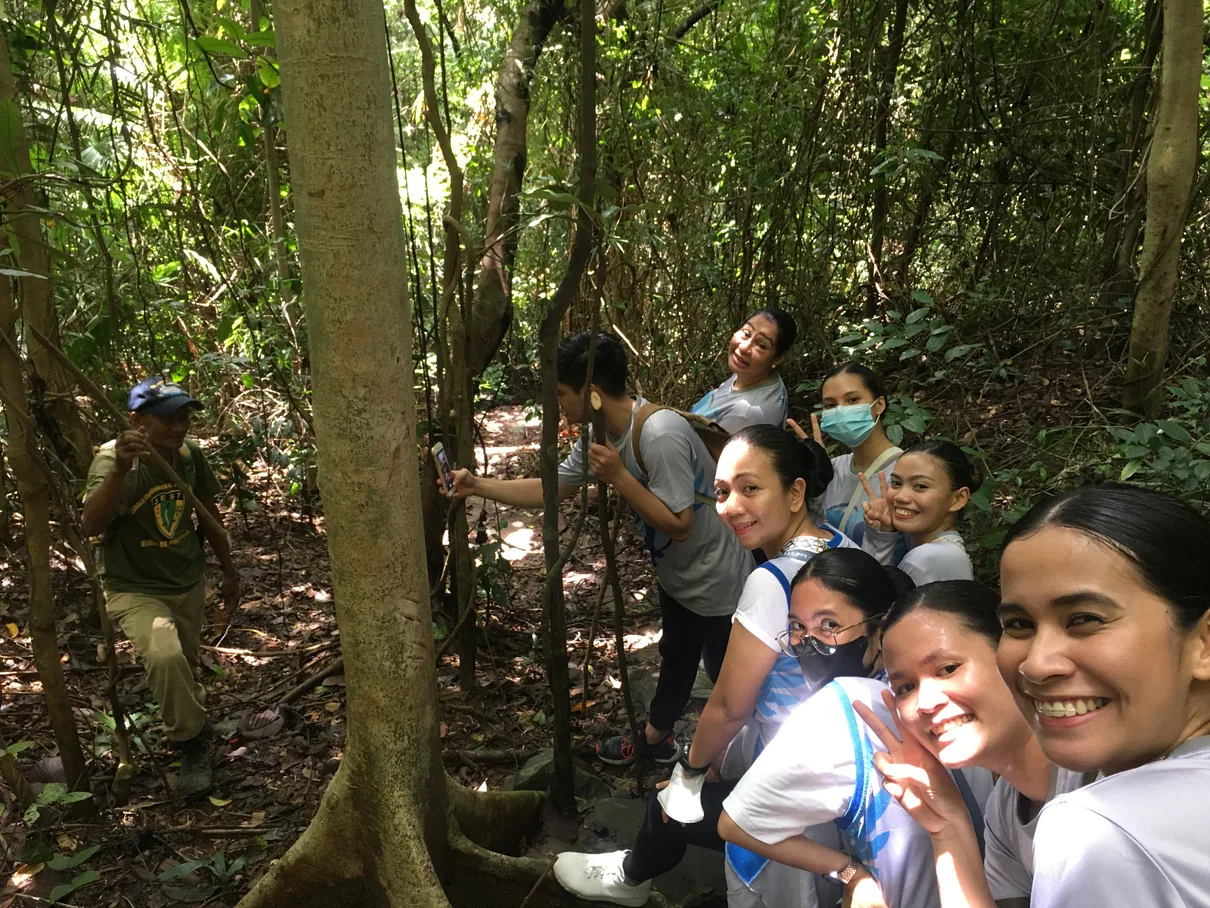
Jungle survivalImmersion outdoors
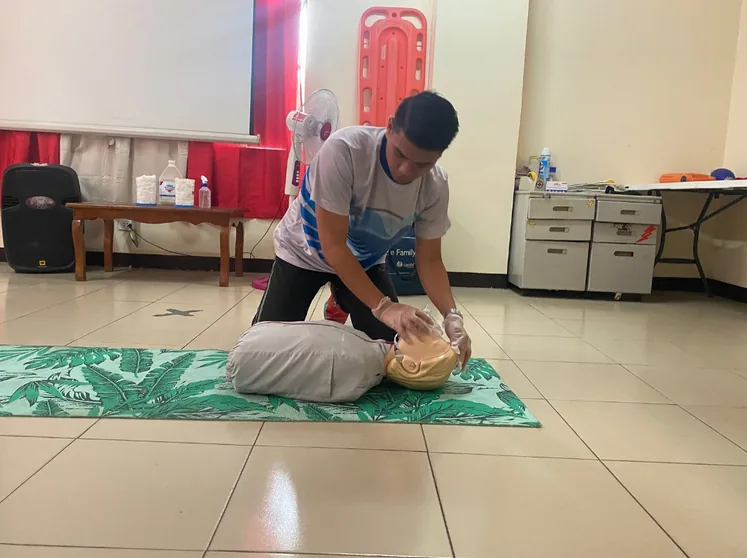
Basic life supportFirst aid and CPR
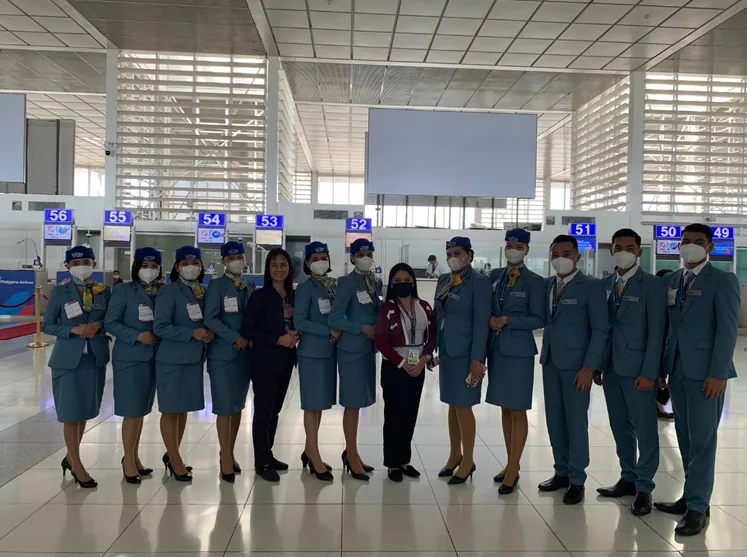
Airport tourSeeing the operation
Where you train
Beyond the airline cabin
Luxury service for business jets and their guests, taught by crew who have served in VIP and corporate cabins. The same standards carry into luxury hospitality.
Your instructors
Former senior cabin crew, in-flight supervisors and VIP and corporate cabin crew, who now prepare the next generation.
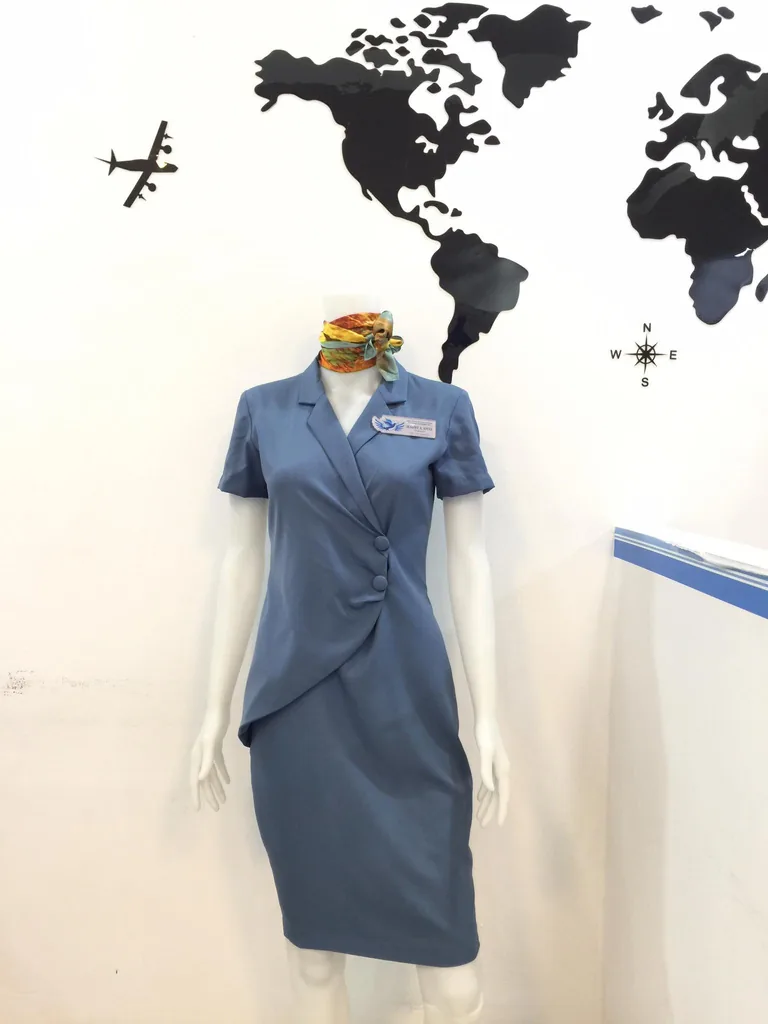
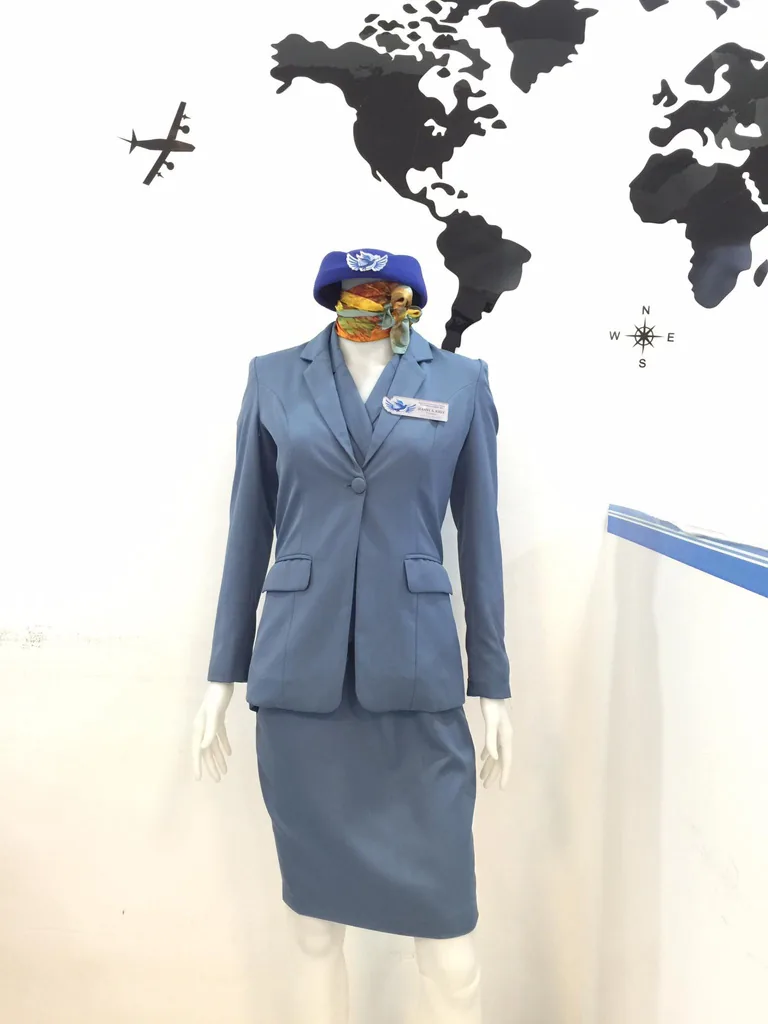
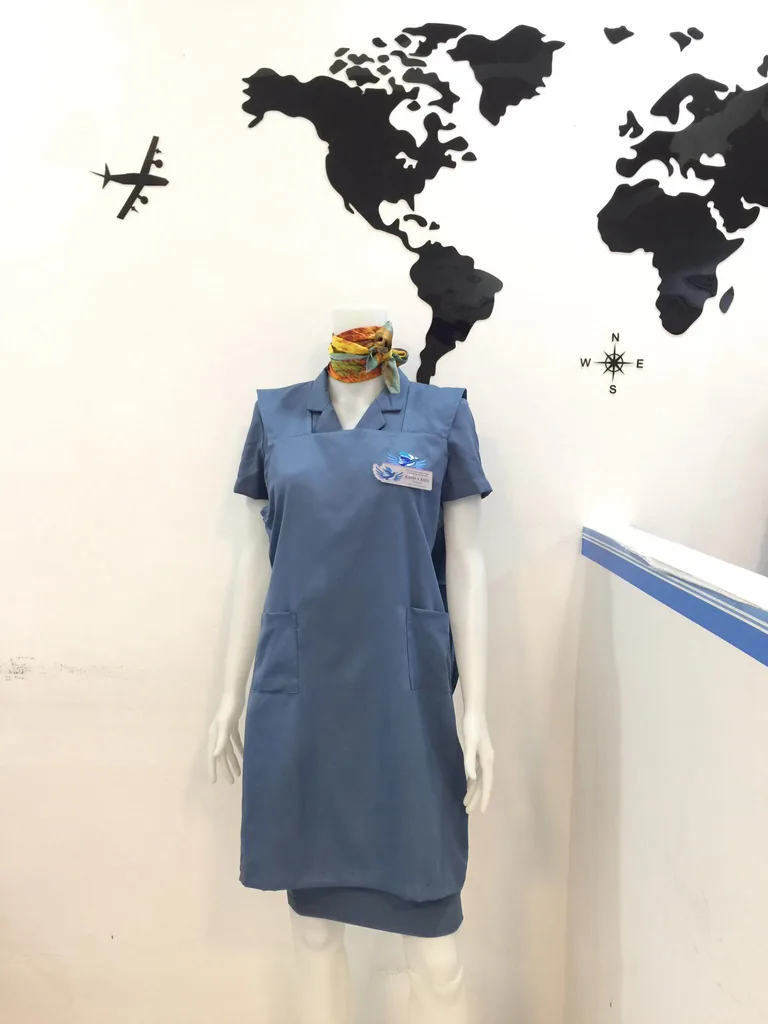
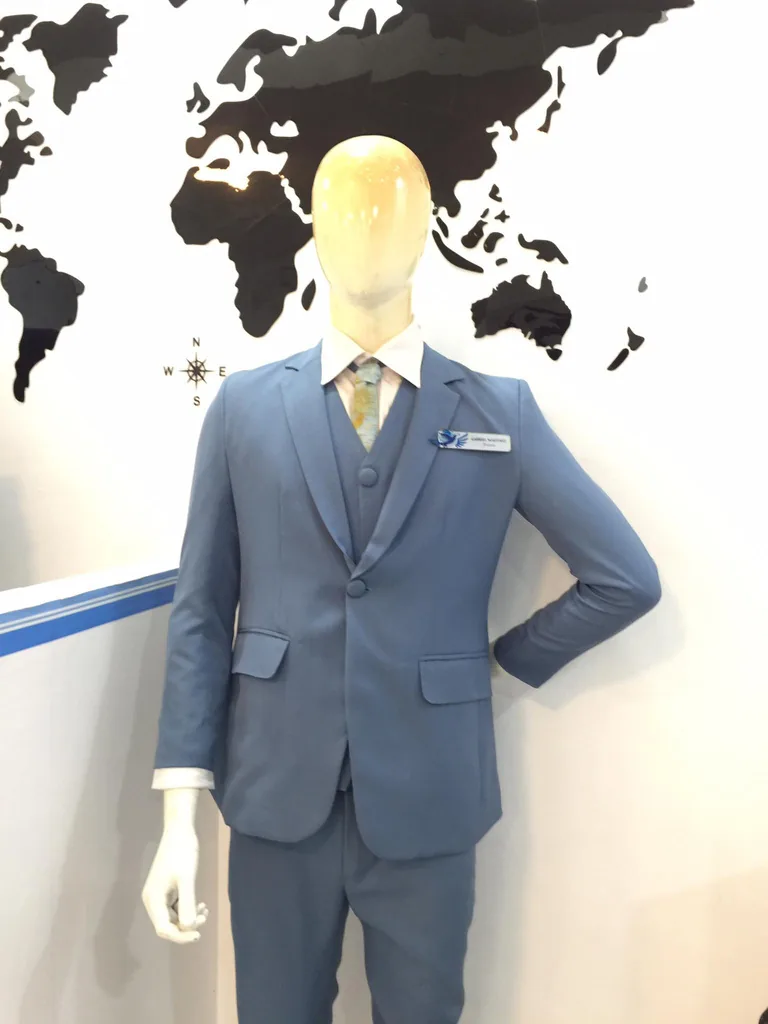
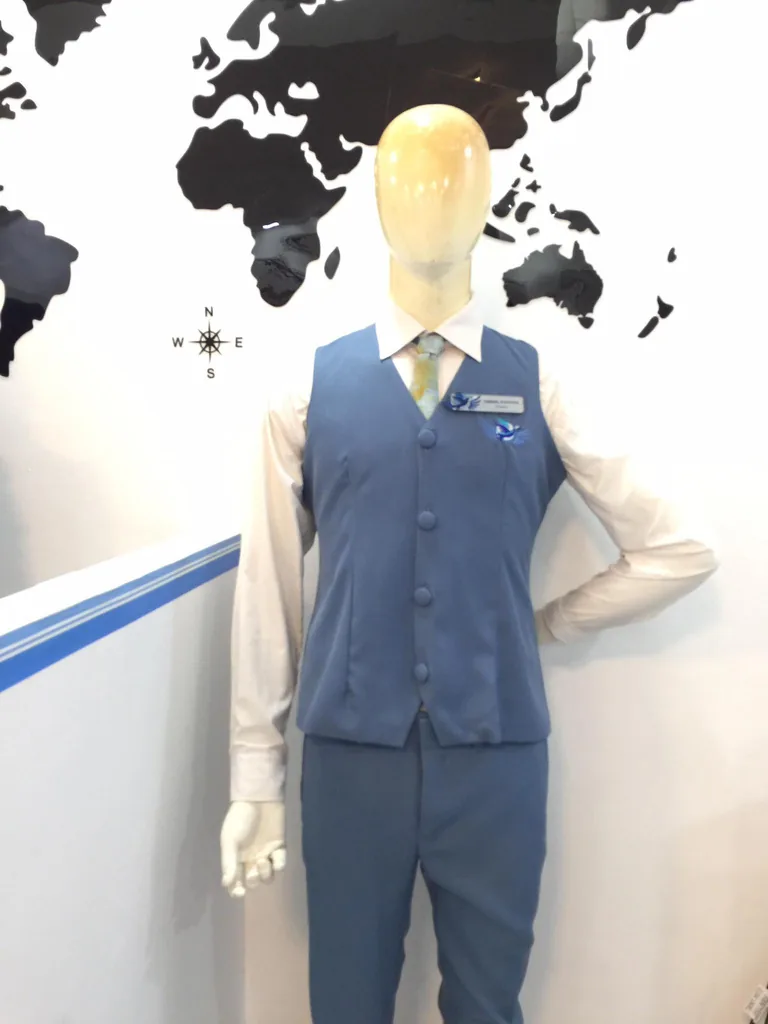
The uniform
Your flight attendant uniform and manuals are prepared as part of your enrolment.
Who can join
College students currently enrolled, and anyone not enrolled who wants professional training for the flight attendant profession.
Your next step
Batches take up to 25 trainees. Ask the department about the next start date, the programme that suits you and the fees.
Looking for cabin maintenance? Cabin Interior MRO is a separate technical programme.